
In automotive fabrication, exhaust systems are the heartbeat of engine performance. Whether you’re designing a turbo-back, cat-back, or custom race exhaust, the materials you choose directly affect power, reliability, and longevity. Among the best options available, stainless exhaust materials stand out as the gold standard for professional builders and high-performance enthusiasts.
If you’re sourcing premium-grade products for your next build, explore Stainless Exhaust Materials for a full range of tubing, bends, V-bands, and accessories designed for precision fabrication.
Why Stainless Exhaust Materials Are the Industry Standard
Every exhaust system faces extreme conditions — heat, vibration, corrosion, and mechanical stress. Using stainless steel instead of mild steel or aluminized tubing ensures long-term reliability and professional-grade performance.
Here’s why stainless steel is the preferred material in motorsport and performance fabrication:
- Exceptional Heat Resistance
Stainless maintains structural integrity at temperatures exceeding 800°C. This makes it perfect for headers, downpipes, and turbo manifolds that endure constant thermal cycling. - Unmatched Corrosion Resistance
Unlike mild steel that rusts quickly, stainless resists oxidation, moisture, and road salts. The chromium content forms a self-healing oxide layer that protects against corrosion for years. - Superior Weldability
TIG welding stainless exhaust materials ensures clean, strong joints that can handle pressure, vibration, and heat expansion without failure. - Professional Finish and Longevity
Stainless exhaust systems retain their shine and structure over time, unlike coated or painted steel, which can chip or peel. - Performance Gains
Smooth internal surfaces and consistent wall thicknesses ensure optimal exhaust gas flow — improving engine breathing, efficiency, and power output.
Common Stainless Materials Used in Exhaust Systems
| Grade | Description | Ideal Use |
|---|---|---|
| 304 Stainless Steel | Most common grade, good corrosion and heat resistance | General performance exhausts |
| 316 Stainless Steel | Enhanced corrosion resistance (marine grade) | Coastal or salted environments |
| 321 Stainless Steel | Excellent for extreme heat and vibration | Turbo manifolds, race cars |
| 409 Stainless Steel | Economical option, used in OEM systems | Budget performance builds |
Each grade serves a different purpose. For high-heat applications, 321 is ideal. For street cars or custom builds, 304 provides the best balance of quality and affordability.
Components Made from Stainless Exhaust Materials
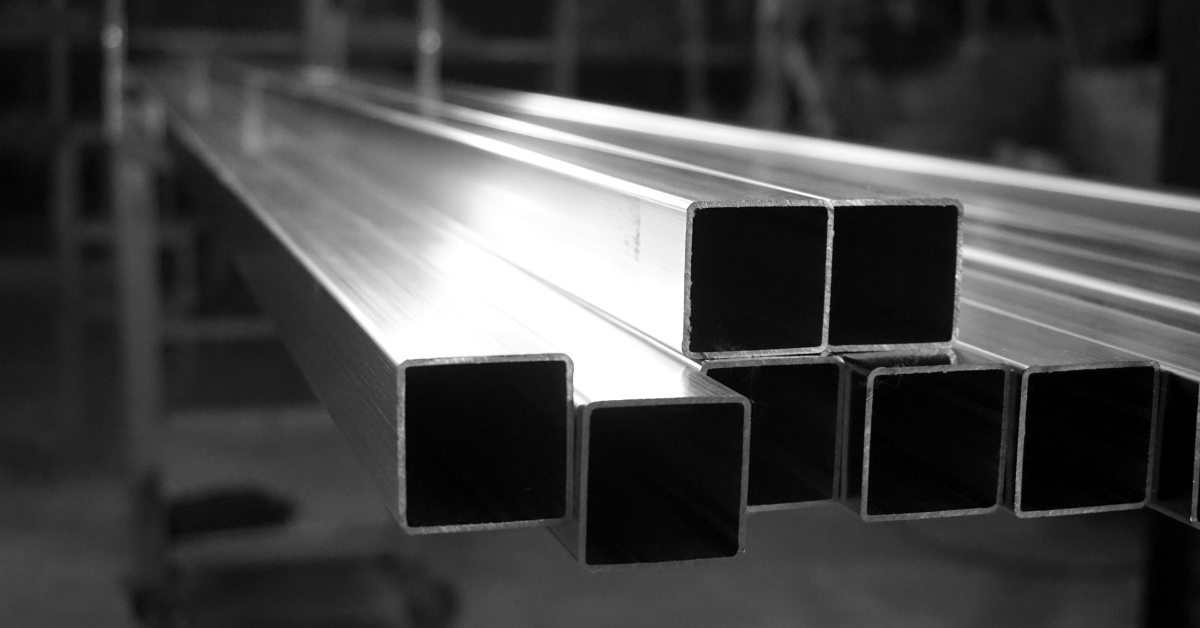
- Tubing
The core of every system. Mandrel-bent stainless tubing maintains internal diameter through turns for maximum flow efficiency. - Bends
Pre-formed stainless bends make routing simple while preserving smooth airflow. Available in 45°, 90°, and 180° configurations. - V Bands
Precision clamps that replace flanges and gaskets. Stainless V-bands ensure leak-free, easy-to-service joints. - Flanges and Adapters
Used to connect turbo housings, catalytic converters, and mufflers. Stainless ensures consistent sealing and durability. - Resonators and Mufflers
High-quality stainless construction prevents rust-through and maintains performance even after years of use.
Benefits of Using Stainless Exhaust Materials
| Feature | Benefit |
|---|---|
| Heat Resistance | Handles continuous high exhaust temperatures |
| Corrosion Protection | Maintains integrity even in wet or salty environments |
| Low Maintenance | No need for coatings or frequent replacements |
| Improved Flow | Mandrel bends and smooth welds enhance gas velocity |
| Long-Term Value | Stainless lasts significantly longer than mild steel |
By using stainless throughout your system, you eliminate weak points that could fail under heat or moisture.
Fabrication and Welding Tips
- Cut Cleanly: Use a fine-tooth saw or band saw to avoid deforming the edges.
- Deburr and Clean: Remove all oxide and oil before welding.
- TIG Welding Recommended: Produces strong, precise welds with minimal contamination.
- Back-Purge: Flood the inside of the tubing with argon gas to prevent “sugaring” during welding.
- Use Correct Filler Rods: ER308L for 304 stainless, ER347 for 321 stainless.
- Avoid Contamination: Never use tools previously used on mild steel, as residue can cause rust spots.
Attention to detail in fabrication ensures consistent performance and a professional finish.
Selecting the Right Stainless Exhaust Materials for Your Build

Step 1: Determine Temperature Range
Turbo manifolds, downpipes, and headers require materials that can handle extreme heat — choose 321 stainless.
Step 2: Evaluate Corrosion Conditions
For coastal or salted road regions, opt for 316 stainless to resist pitting corrosion.
Step 3: Match Diameter to Engine Output
Higher horsepower engines need larger diameters for optimal flow. Common sizes:
- 2.25″ for small displacement
- 2.5″–3.0″ for turbo or performance applications
- 3.5″+ for high-output engines
Step 4: Choose Mandrel Bends and Quality Clamps
Avoid crush bends. Mandrel-formed stainless bends and V-bands ensure consistent exhaust flow.
Performance Advantages Over Other Materials
| Property | Stainless Steel | Mild Steel | Titanium | Aluminum |
|---|---|---|---|---|
| Heat Resistance | Excellent | Good | Excellent | Poor |
| Corrosion Resistance | Excellent | Poor | Excellent | Moderate |
| Weight | Moderate | Moderate | Light | Light |
| Cost | Moderate | Low | High | Moderate |
| Weldability | Excellent | Excellent | Difficult | Fair |
While titanium may be lighter, it’s far more expensive and harder to work with. Stainless provides the best overall performance-to-cost ratio for real-world fabrication.
Real-World Example: Turbo Exhaust System Build
A 3.0″ mandrel-bent 304 stainless turbo-back system paired with stainless V-bands offers unmatched performance and reliability. The stainless tubing maintains flow efficiency, while the V-bands simplify removal for turbo servicing. Over time, the system maintains its finish and strength — unlike mild steel, which corrodes and loses performance.
Common Mistakes to Avoid
- Mixing metals: Combining stainless with mild steel can cause galvanic corrosion.
- Skipping back-purging: Leads to internal oxidation and weak welds.
- Incorrect filler rod: Mismatched alloy rods reduce weld integrity.
- Improper support hangers: Can cause cracking due to vibration.
- Undersized tubing: Restricts flow and reduces power potential.
By avoiding these mistakes, you ensure a long-lasting and efficient exhaust system.
Maintenance Guide for Stainless Exhaust Systems
- Regular Cleaning: Wash occasionally to remove dirt and salt buildup.
- Inspect Welds: Check for cracks or discoloration near joints.
- Avoid Acidic Cleaners: Use stainless-safe polishes for maintenance.
- Monitor Fasteners: Retighten V-band clamps after heat cycles.
- Protect from Impact: Ensure sufficient clearance from suspension and road surfaces.
Proper maintenance can make your stainless system last the lifetime of your vehicle.
Conclusion
Stainless exhaust materials represent the ultimate combination of performance, durability, and aesthetics in modern automotive fabrication. They withstand the harshest thermal and environmental conditions while delivering consistent flow and a premium finish.
For builders, tuners, and performance enthusiasts aiming for long-term quality and efficiency, stainless steel remains the clear choice.
Discover a complete selection of high-grade Stainless Exhaust Materials engineered for reliability, strength, and precision in every fabrication project.